
Live webinar
Tuning CAR-T cells by targeting cancer-associated glycan in pancreatic cancer

Abstract
Chimeric antigen receptor (CAR) T cell therapy has transformed cancer treatment, but its efficacy remains limited in solid tumors due to antigen heterogeneity, an immunosuppressive microenvironment, and the glycocalyx barrier. The glycocalyx, composed of dense glycoproteins such as MUC1, is markedly expanded in cancers, where it impedes immune cell access and antigen engagement, thereby reducing therapeutic efficacy. In most adenocarcinomas, the Tn antigen, comprising N-acetylgalactosamine linked to serine or threonine, is overexpressed. Tn-MUC1, a truncated form of MUC1 decorated with Tn antigen, is frequently overexpressed in pancreatic cancer. Here, we incorporate a non-signaling glyco-bridge binder recognizing Tn-MUC1 into mesothelin-directed CAR-T cells. This bridge enhances tumor recognition and cytotoxicity by increasing avidity and facilitating CAR activation in a density- and affinity-dependent manner. To directly validate these effects at the cell interaction level, we used Lumicks z-Movi to quantify CAR-T binding strength to tumor targets. CAR-T cells equipped with the Tn-MUC1 glyco-bridge exhibited higher cell avidity toward Tn-MUC1-expressing tumor cells compared to a CD19 bridge control. To broaden its applicability, we design a tandem Helix pomatia agglutinin (HPA) lectin-based bridge that recognizes Tn antigens across cancer types. CAR-T cells with the HPA-bridge exhibit superior cytotoxicity in pancreatic cancer models.
This webinar + Q&A will be available at two timeslots to accommodate global-friendly time zones. You can choose between the options upon registration below:
- Europe & Americas-friendly Time Zone: 17:00 UCT+1 (February 23)
- Asia-Pacific and Australia-friendly Time Zone: 09:00 UCT+8 (February 24)
Button Text
SMBio 2026 Midwest
Symposium
November 10, 2026
01-01-20
This is some text inside of a div block.


The integrated stress response promotes immune evasion through lipocalin 2
Webinar
November 2, 2026
01-01-20
This is some text inside of a div block.

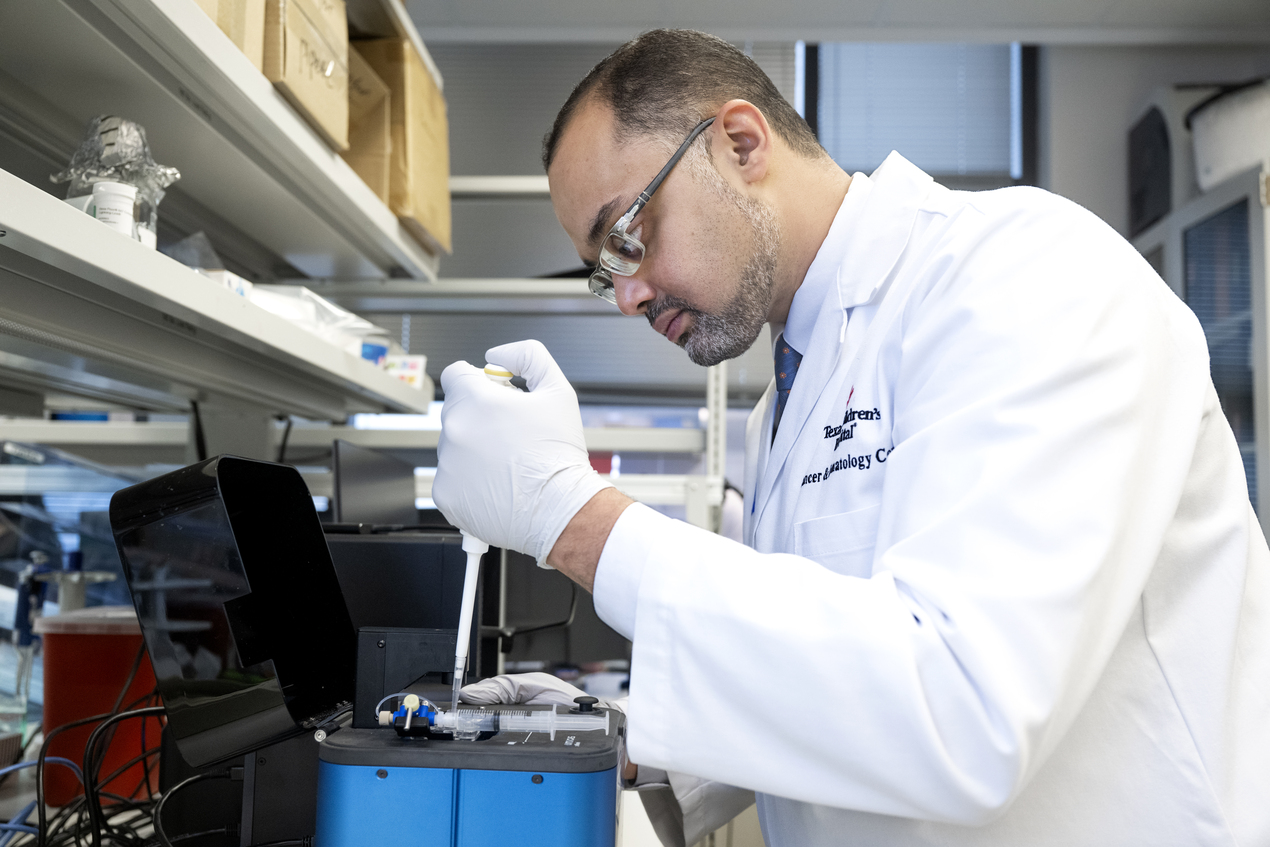
The CAR Immune Synapse Interactome: How Membrane Organization Shapes CAR T–Tumor Cell Interactions
Webinar
September 14, 2026
01-01-20
This is some text inside of a div block.
.jpeg)
No items found.